Plumbing FAQs
Frequently Asked QuestionsCommon Plumbing Questions for Houston Property Owners
Plumbing problems in the Houston area can interrupt your daily routine, cause water damage, and lead to costly repairs when left unaddressed. From leaking pipes and clogged drains to water heater problems and low water pressure, knowing what to look for can help you take action before a minor issue becomes a larger concern.
Below are answers to some of the most common questions about residential plumbing problems, repairs, and maintenance. If you need help diagnosing an issue or scheduling plumbing service in the Houston area, contact the team at Sweet Septic.
What are the most common plumbing problems in a home?
Common residential plumbing problems include leaking faucets, running toilets, clogged drains, low water pressure, damaged pipes, and water heater malfunctions. Some issues develop gradually, while others can cause sudden leaks or interruptions to your water supply. Identifying the source of the problem is the first step toward choosing the appropriate repair.
How do I know if I have a hidden water leak?
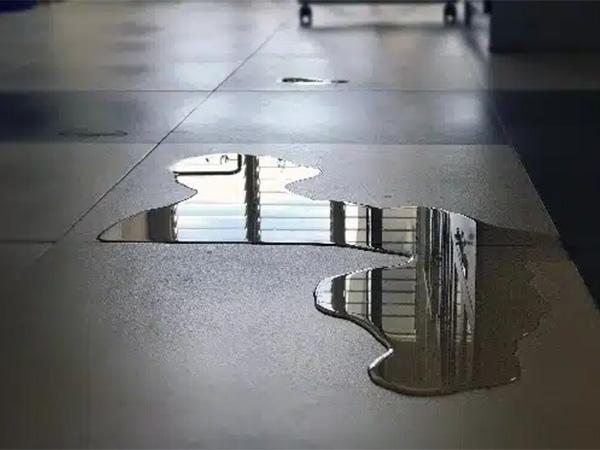
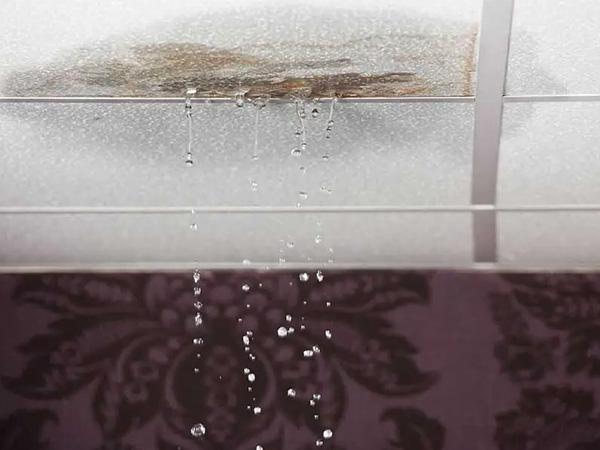
Unexplained increases in your water bill, damp walls or flooring, musty odors, peeling paint, and the sound of running water when fixtures are turned off can indicate a hidden leak. You may also notice reduced water pressure or unusually wet areas around your property. A plumbing inspection by Sweet Septic can help locate the source of the leak and determine what repairs are needed.
Why is my water pressure suddenly low?
Low water pressure can result from clogged faucet aerators, partially closed valves, leaking pipes, mineral buildup, or problems with the water supply. If the issue affects only one fixture, the cause may be localized. When several fixtures experience reduced pressure, the problem could involve a larger section of your plumbing system. A plumber such as Sweet Septic can help identify the cause and recommend a repair.
What should I do if a pipe bursts or starts leaking?
If a pipe bursts or develops a major leak, shut off the main water supply as soon as it is safe to do so. Avoid using affected plumbing fixtures and move belongings away from the water when possible. If water is near electrical outlets, appliances, or wiring, keep clear of the area until it can be evaluated safely. Contact a plumbing professional to assess the damage and repair the affected pipe.
Why do my drains keep clogging?
Recurring drain clogs may be caused by grease, soap residue, hair, food waste, or other materials accumulating inside the pipes. In some cases, repeated blockages can indicate a deeper obstruction or damaged drain line. If a drain continues to clog after being cleared, a professional evaluation can help identify the underlying problem rather than repeatedly treating the symptoms.
How long do residential plumbing pipes last?
The lifespan of plumbing pipes depends on the material, installation quality, water conditions, and maintenance history. Copper, PVC, PEX, and galvanized steel pipes have different expected service lives and may develop different types of problems over time. Older plumbing systems should be evaluated when leaks, corrosion, discolored water, or recurring pressure issues begin to appear.
Why is my water heater not producing enough hot water?
Inadequate hot water can result from sediment buildup, faulty heating elements, thermostat problems, or a water heater that cannot meet your household's demand. The cause may also depend on whether you have a gas, electric, tank-style, or tankless water heater. A professional inspection can help determine whether the unit needs maintenance, repair, or replacement.
When should I call a plumber instead of attempting a repair?
Minor tasks such as cleaning a faucet aerator or checking for a loose fixture connection may be manageable for some homeowners. However, persistent leaks, recurring clogs, sewer odors, water heater malfunctions, and problems involving concealed pipes should be evaluated by a qualified plumber. Professional service is especially important when a problem could cause water damage, affect sanitation, or involve electrical or gas connections.
How can I prevent common plumbing problems?
Routine plumbing care can help reduce the likelihood of leaks, blockages, and unexpected repairs. Avoid pouring grease down drains, keep inappropriate materials out of toilets, monitor fixtures for leaks, and pay attention to changes in water pressure or drainage. Knowing where your main water shutoff valve is located can also help you respond quickly to a plumbing emergency. Periodic professional inspections may identify developing issues before they cause significant damage.
Houston Plumbing ServicesGet Answers and Professional Plumbing Repairs
Sweet Septic helps Houston-area property owners address plumbing problems before they lead to greater inconvenience or property damage. If you are dealing with leaking pipes, clogged drains, low water pressure, or another plumbing concern, contact our team to discuss the problem and schedule service.